Social media has become a powerful platform for artists to showcase their work, connect with their audience, and build a thriving artistic career. Whether you’re a painter, photographer, sculptor, or any other type of artist, effectively utilizing social media can help you reach a wider audience, gain recognition, and even open doors for new opportunities. In this article, we will explore ten essential things you should do on social media as an artist to maximize your impact and grow your artistic presence.
Build a Strong and Consistent Brand
Define Your Artistic Identity
Before diving into social media, it’s crucial to have a clear understanding of your artistic identity. Define what sets your work apart, your artistic vision, and the core themes or styles that define your art. This will help you establish a strong foundation for your online presence.
Create a Cohesive Visual Style
Consistency in your visual style is key to building a recognizable brand. Develop a cohesive aesthetic that reflects your artistic identity. Consider elements such as color palette, composition, and overall visual tone. Strive for a consistent look across your social media posts to create a cohesive and visually appealing feed.
Use Consistent Branding Elements
In addition to visual style, incorporate consistent branding elements into your social media profiles. Use a consistent logo, handle, and profile picture across platforms. Consistency in branding helps viewers identify your work and creates a sense of professionalism.
Showcase Your Artwork
Post High-Quality Images
When sharing your artwork on social media, ensure that your images are of high quality. Invest in good lighting, composition, and resolution to present your work in the best possible way. High-quality images capture attention and allow viewers to appreciate the details and nuances of your art.
Provide Context and Descriptions
Accompany your artwork with meaningful descriptions that provide context and insights into your creative process. Share the inspiration behind the piece, the techniques used, or the emotions you aimed to convey. Adding context allows viewers to connect more deeply with your art.
Share Your Artistic Process
People love to see the journey behind the final artwork. Share glimpses of your artistic process through progress shots, time-lapse videos, or stories that showcase the evolution of your work. Sharing your process not only engages your audience but also gives them a deeper appreciation for your artistry.
Engage with Your Audience

Respond to Comments and Messages
Social media is a two-way street. Take the time to respond to comments and messages from your followers. Engaging with your audience builds connections, fosters a sense of community, and shows that you value their support. Responding to comments also encourages further conversation and boosts your visibility on social platforms.
Participate in Artistic Communities
Join artistic communities on social media platforms, such as artist groups, forums, or hashtags specific to your art style or medium. Engage with fellow artists, share your insights, and provide support and feedback. Being an active participant in artistic communities helps you expand your network and gain exposure among like-minded individuals.
Collaborate with Other Artists
Collaborating with other artists can be a powerful way to expand your reach and create unique content. Consider partnering with artists whose work complements yours or aligns with a common theme. Collaborative projects not only expose your work to a new audience but also provide fresh perspectives and creative inspiration.
Use Hashtags and Keywords
Research Relevant Hashtags
Hashtags play a crucial role in increasing your visibility on social media. Research and use relevant hashtags that are popular within your artistic niche. Incorporate a mix of broader and more specific hashtags to reach a wider yet targeted audience. Experiment with different combinations and observe which ones generate the most engagement.
Utilize Trending Topics and Events
Stay up to date with trending topics, holidays, or events that relate to your art. Capitalize on these moments by creating content that aligns with the conversation. Using relevant hashtags and keywords associated with trending topics can help your content reach a broader audience.
Optimize Your Profile and Bio
Make the most of your social media profile by optimizing it for discoverability. Include keywords and phrases in your bio that describe your art and artistic style. Use clear and concise language to convey what you do and what makes your art unique. A well-optimized profile increases your chances of being found by art enthusiasts and potential buyers.
Share Behind-the-Scenes Content
Show Your Workspace and Tools
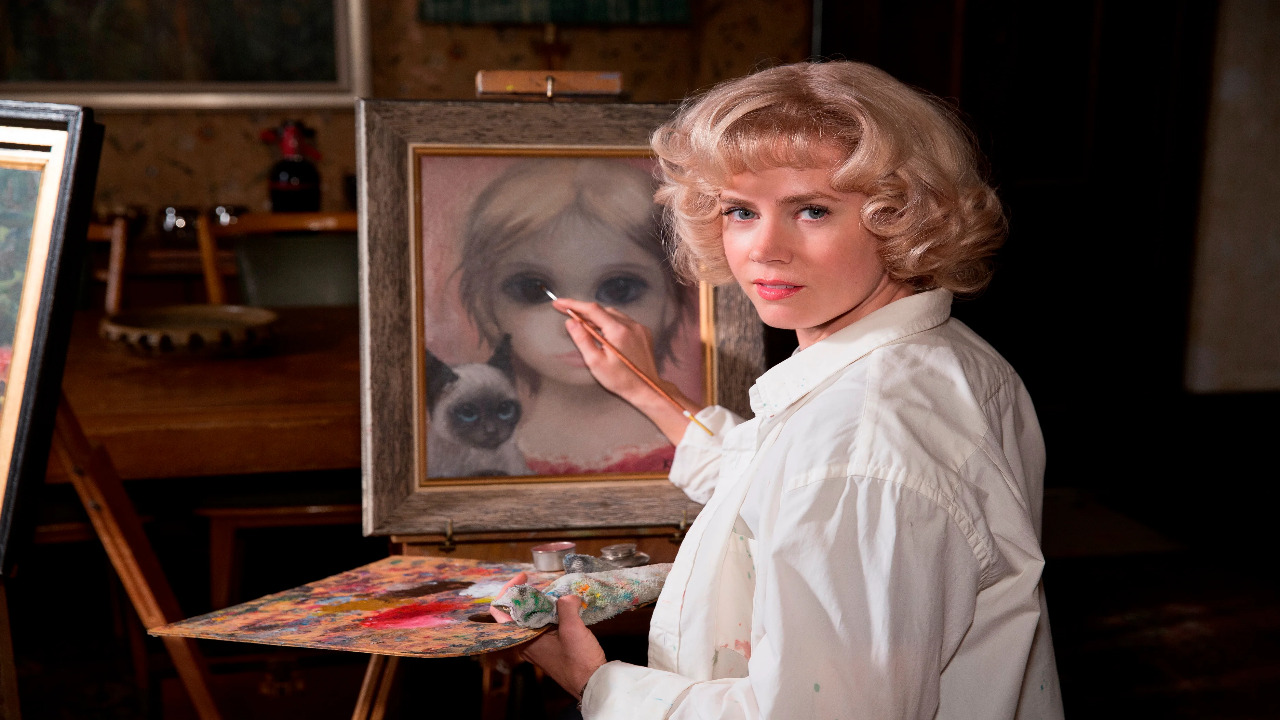
Take your audience behind the scenes by sharing glimpses of your workspace and the tools you use. Showcasing your artistic environment gives viewers insight into your process and the effort that goes into creating your art. It also helps humanize your brand and makes your audience feel connected to your journey.
Offer Sneak Peeks and Work-in-Progress Updates
Keep your followers engaged by providing sneak peeks and work-in-progress updates. Share snippets of upcoming projects, sketches, or prototypes. These teasers generate anticipation and excitement among your audience and keep them invested in your creative journey.
Provide Insights into Your Inspiration
Art is often inspired by the world around us. Share the things that inspire you—whether it’s nature, other artists, literature, or personal experiences. Providing insights into your inspiration not only adds depth to your art but also allows your audience to connect with the stories and ideas behind your work.
Promote Your Artistic Journey
Share Exhibition and Event Announcements
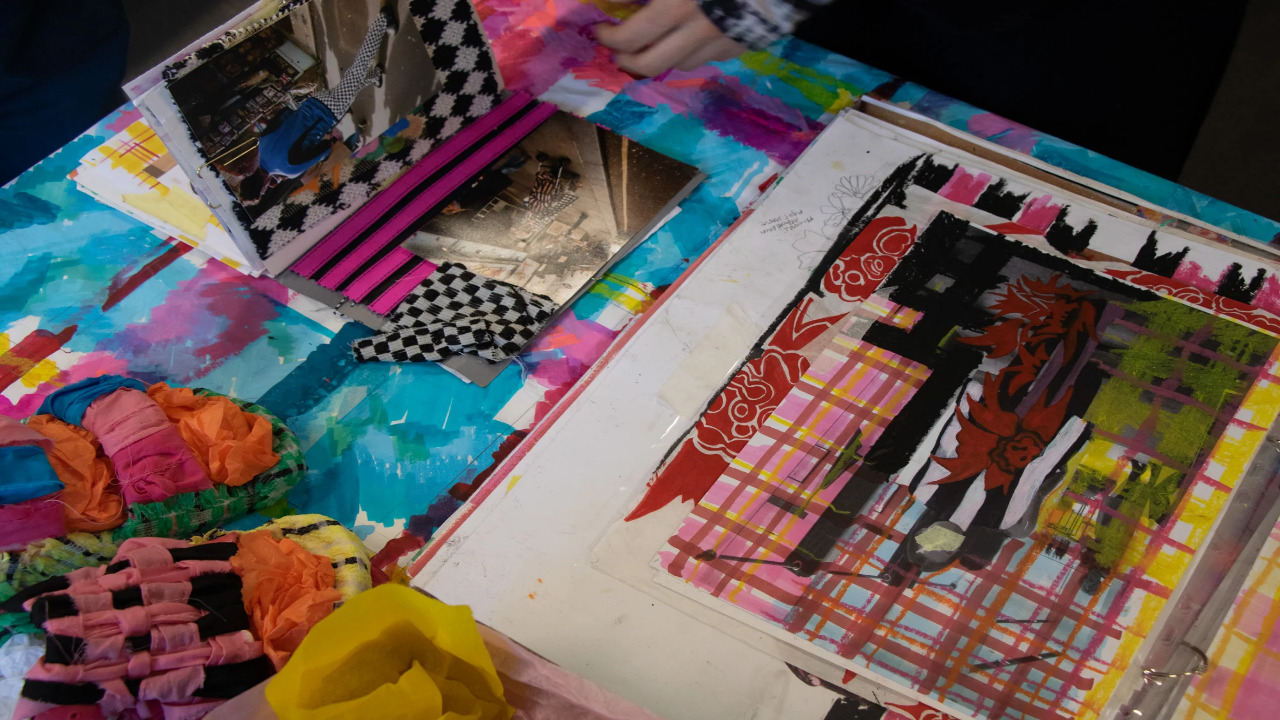
If you have upcoming exhibitions, art fairs, or events, leverage social media to promote them. Share details, dates, and locations with your audience. Create visually appealing graphics or videos to capture attention and generate interest in your shows.
Collaborate with Influencers and Brands
Partnering with influencers or brands relevant to your art can help expand your reach. Seek collaborations that align with your artistic vision and values. This could involve creating joint content, hosting giveaways, or featuring your art in their campaigns. Collaborations can introduce your work to new audiences and potentially lead to sales or commissions.
Offer Exclusive Content or Discounts
Reward your loyal followers by offering exclusive content or discounts. This could be access to limited-edition prints, early access to new collections, or special discounts on artwork purchases. Providing exclusive benefits to your social media community cultivates a sense of exclusivity and appreciation.
Cultivate a Community
Encourage User-Generated Content
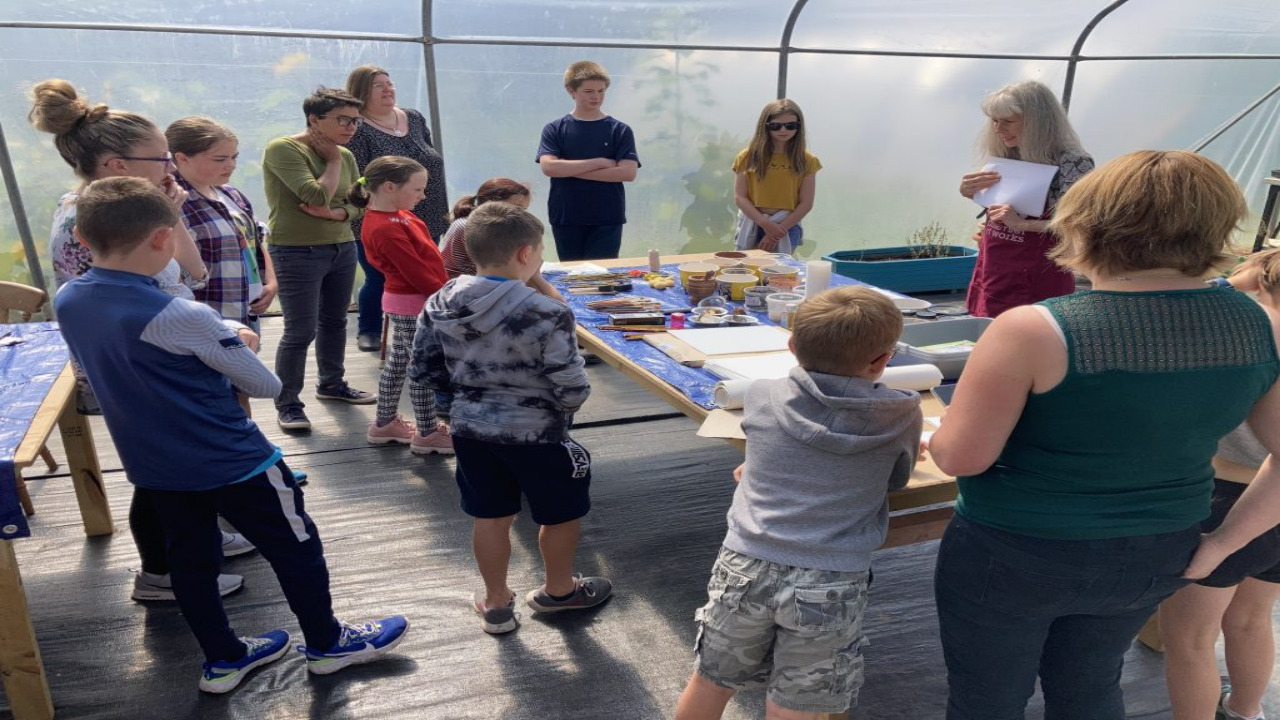
Encourage your followers to actively engage with your art by creating user-generated content. Run contests or prompts that invite them to create art inspired by your work or use your art in their own creative projects. User-generated content not only showcases the impact of your art but also builds a sense of community among your followers.
Run Contests or Giveaways
Contests and giveaways are effective strategies to boost engagement and attract new followers. Host art-related contests, such as caption contests or art challenges, where participants can win your artwork or art-related prizes. Contests generate excitement and encourage people to share your content, expanding your reach organically.
Organize Q&A Sessions or Live Streams
Interact directly with your audience through Q&A sessions or live streams. Allow them to ask questions about your art, process, or inspirations. Live interactions humanize your brand and foster a deeper connection with your followers. Consider hosting virtual studio tours or live demonstrations to give them an immersive experience.
Analyze and Adjust
Track Your Metrics and Analytics
Regularly monitor your social media metrics and analytics to gain insights into your audience’s behavior and preferences. Analyze which posts perform well, what times of the day or week generate the most engagement, and which content resonates with your audience. Use this data to refine your social media strategy and optimize your content for better results.
Experiment with Different Strategies
Social media is a dynamic landscape, and what works today may not work tomorrow. Experiment with different strategies, content formats, or platforms to find what resonates best with your audience. Test new ideas, monitor their performance, and adapt your approach accordingly. Be open to innovation and adjust your strategy to stay relevant.
Learn from Successful Artists
Observe and learn from successful artists who have established a strong social media presence. Study their strategies, content types, and engagement tactics. While it’s essential to develop your unique approach, drawing inspiration from others can provide valuable insights and guide you in navigating the social media landscape.
Conclusion
Social media provides a wealth of opportunities for artists to showcase their work, engage with their audience, and advance their artistic careers. By following these ten essential tips, you can effectively utilize social media platforms to build a strong artistic brand, connect with your audience, and elevate your artistic journey. Remember to stay true to your artistic vision, experiment with different strategies, and nurture a community of art enthusiasts who appreciate and support your work. Harness the power of social media to amplify your artistic voice and reach new heights in your artistic endeavors.